AutomotiveAutomotive & Insurance
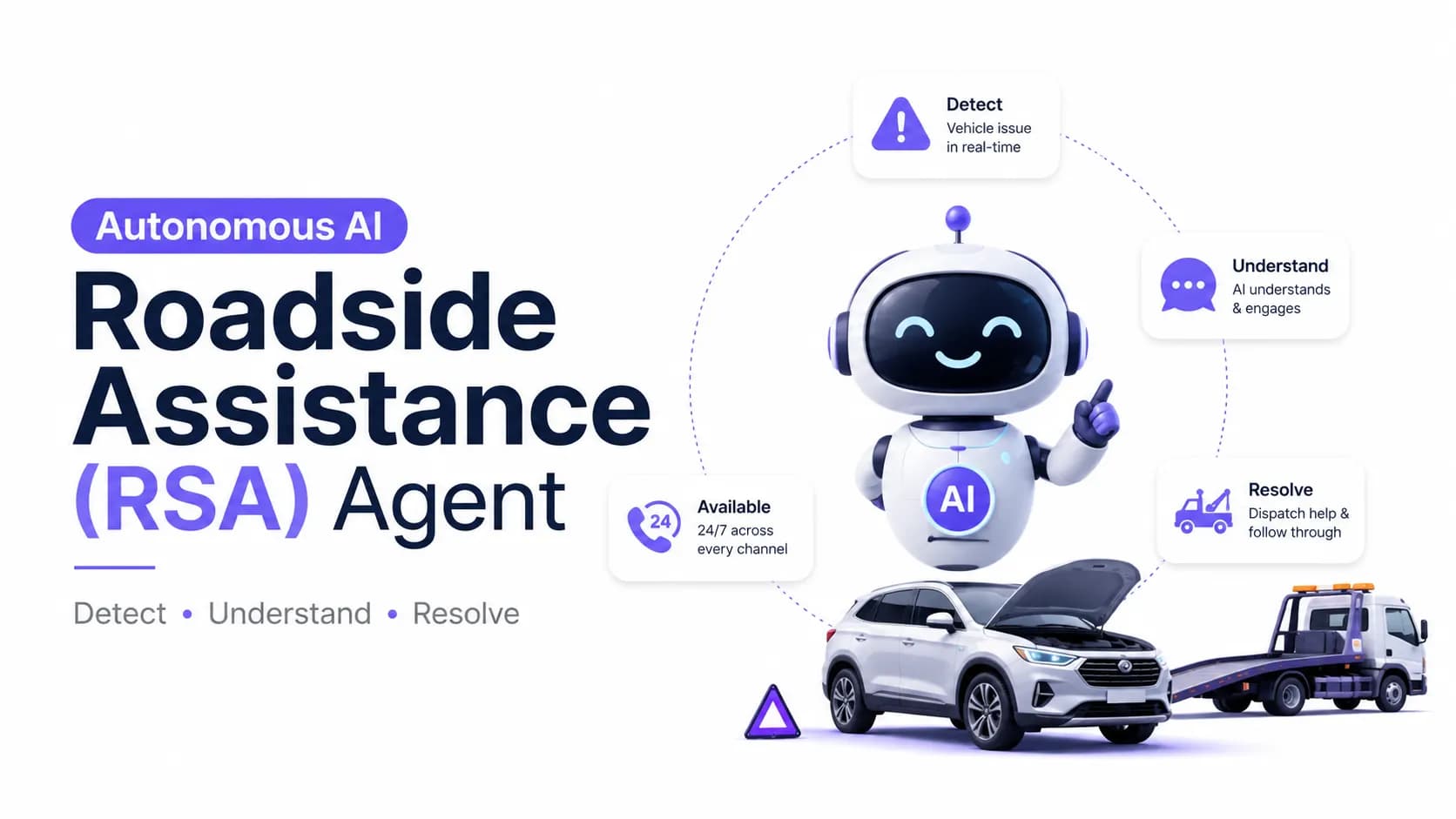
Autonomous AI Roadside Assistance (RSA) Agent
Zero-touch emergency dispatch. Full auditability. Every incident.
8–12m→<90s
Dispatch time
3,000+/day
Handled, no degrade
100%
Auditable
0
Manual triage
Agentic AIAutonomous DispatchVehicle TelematicsReal-time GPSGeofencingNLP ConversationIncident TriageMulti-step ReasoningHuman-in-the-LoopAudit TrailETA PredictionAPI OrchestrationEmergency Response AIOBD-II Integration
By the numbers
<90s
Avg. dispatch time
100%
Incident auditability
24/7
Autonomous availability
0
Manual triage required
Before → After
Dispatch decision8–12 min<90s
AvailabilityCall-center hours24/7 autonomous
Incident recordManual notesAuto-generated & timestamped
Quality under loadDegradesConsistent at 3,000+/day
Representative deployment outcomes.
More Case Studies
View All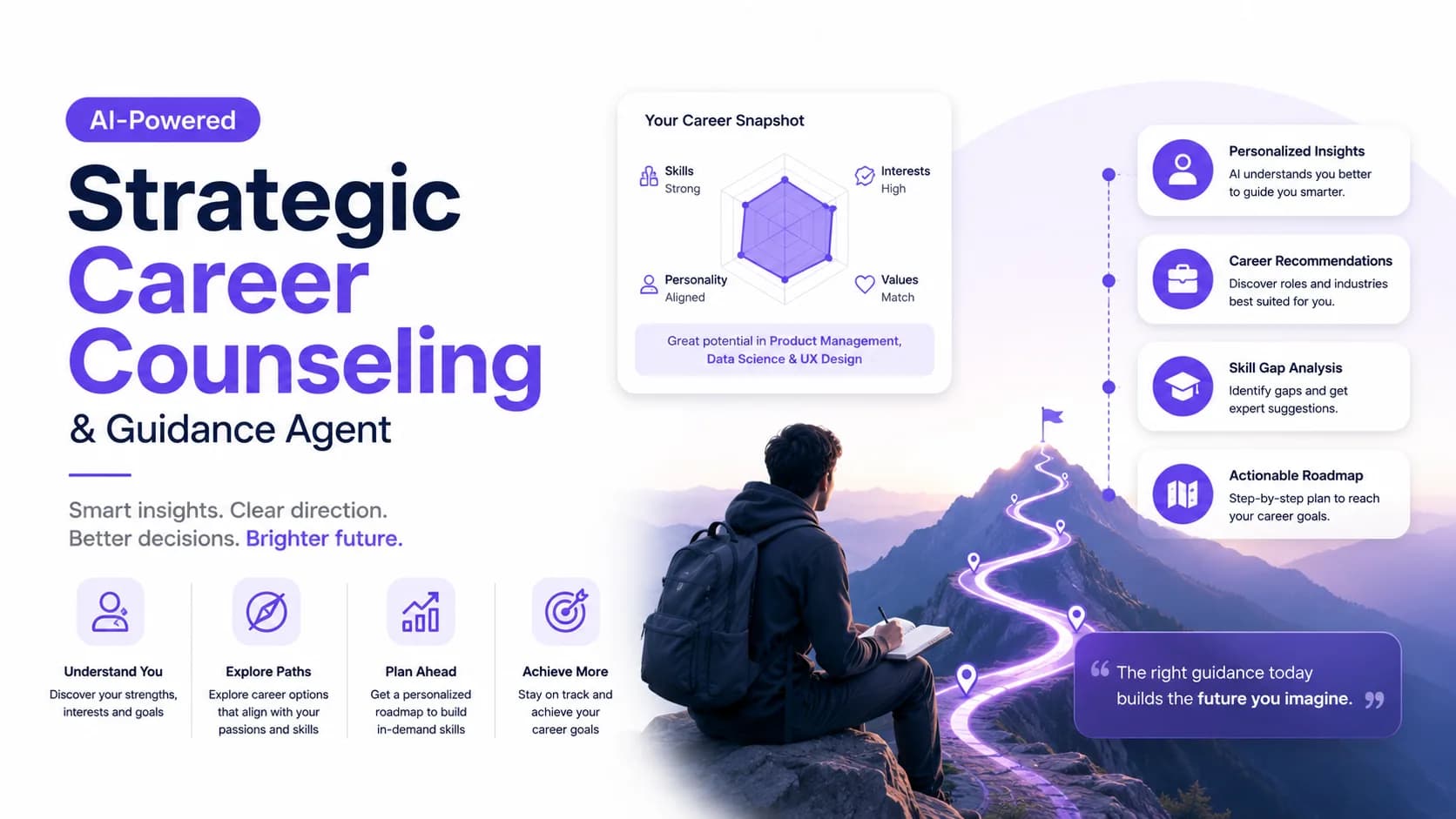
HR & Career
AI-Powered Strategic Career Counseling & Guidance Agent
Architected an AI-driven career counseling agent that ingests complex user profiles and resumes, identifies critical skill gaps against real-time industry trends, and generates tailored career roadmaps — empowering users with data-backed insights that significantly increase career success rates.
5xCounseling throughput
Retail
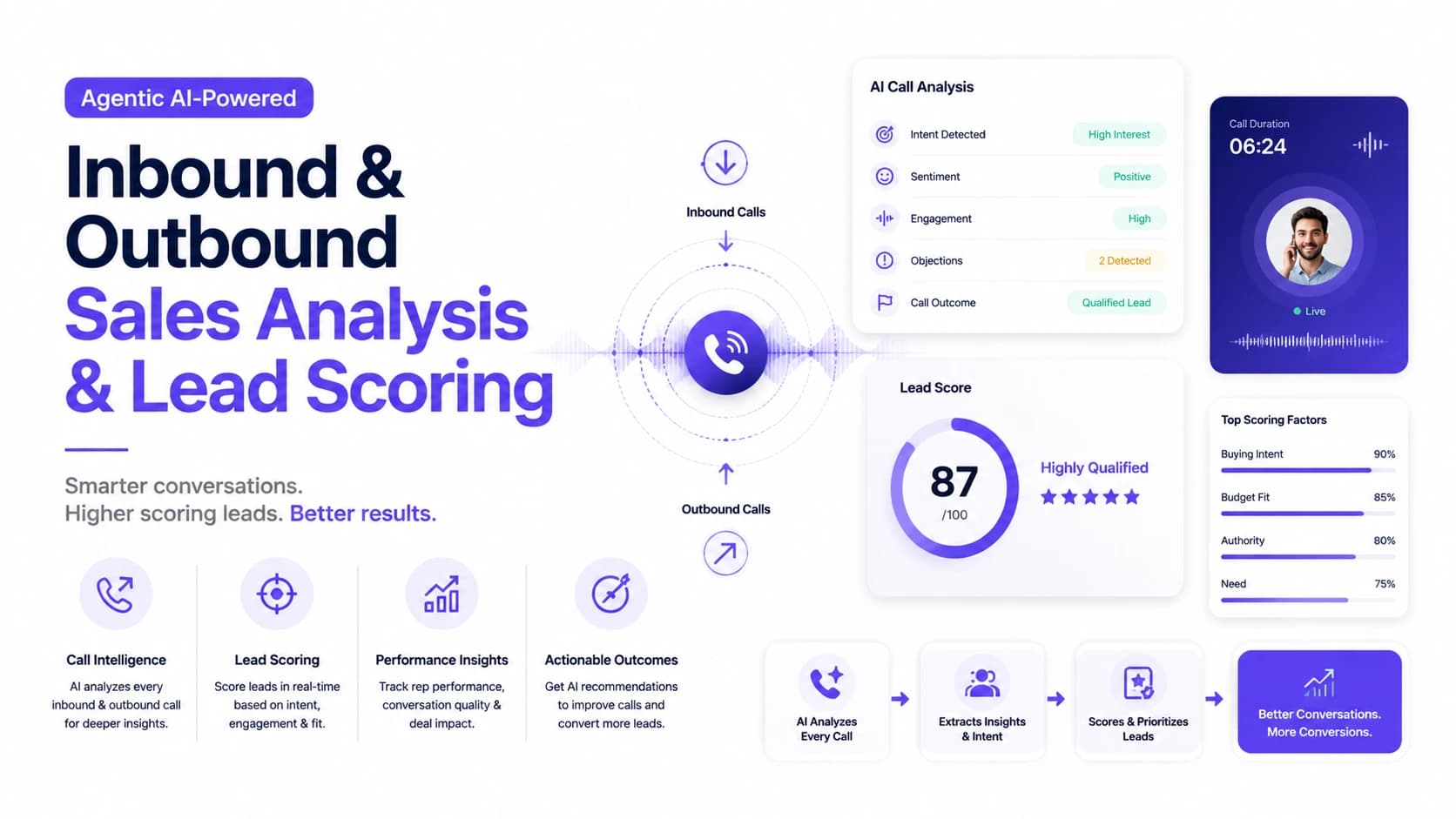
Agentic AI-Powered Inbound Sales Analysis and Lead Scoring
Architected an AI-powered voice agent for jewellers to automate high-volume retail engagement — handling complex inquiries, scheduling boutique appointments, and qualifying sales leads with a natural conversational flow integrated directly with existing CRM systems.
43%→82%Calls answered
Insurance
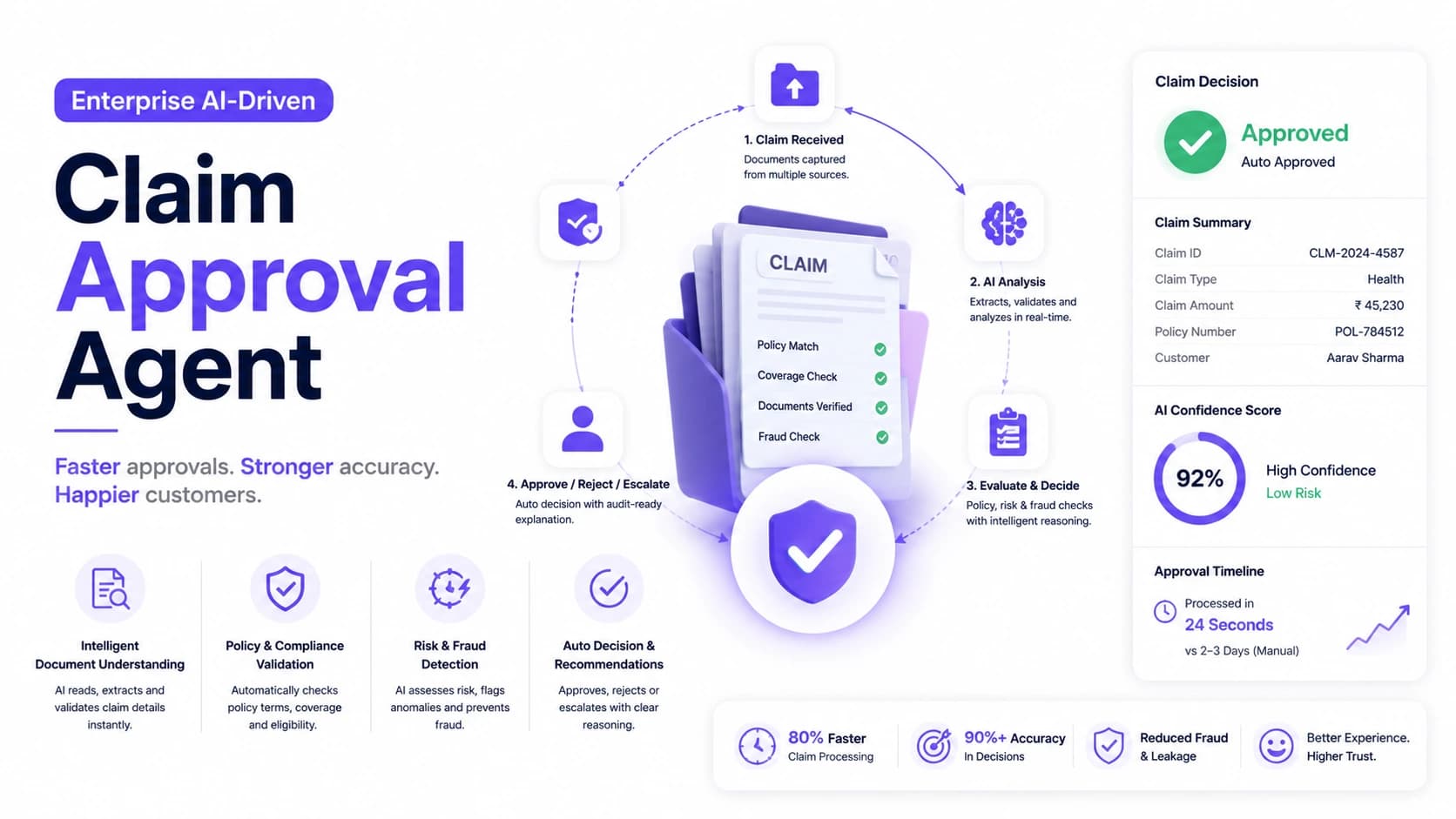
Enterprise AI-Driven Claim Approval Agent
Architected an enterprise-grade, end-to-end AI Claim Approval Agent with dynamic workflow orchestration — featuring a 6-stage architecture with parallel AI assessment pipelines, an explainable decision engine, and strict human-in-the-loop fallback with 100% auditability.
90%Fewer manual approvals